


Biodiversity Management
Supporting the SDGs Goals


Management Approach
Biodiversity is a fundamental component of ecosystems that support both living organisms and economic activities. The loss of biodiversity diminishes the capacity of ecosystem services, with adverse implications for public health, community resilience, and economic inequality. Businesses that rely on natural resources may face risks related to raw material availability and product quality.
To achieve sustainable growth, companies must assess biodiversity-related risks, implement mitigation measures, and integrate biodiversity management across the entire value chain, including suppliers and business partners.
Strategies and Actions
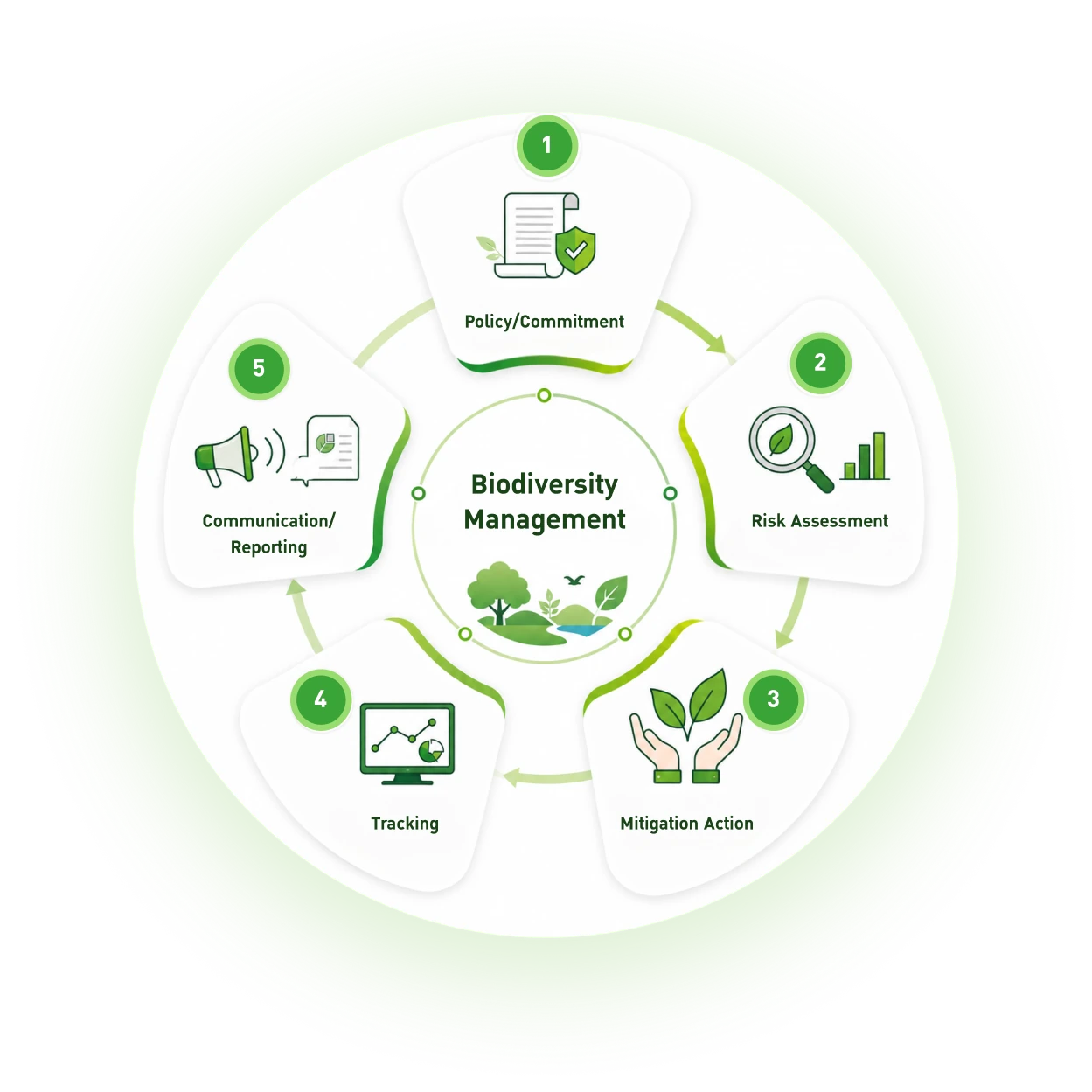
Biodiversity Management
Bangchak Group recognizes the importance of balancing the ecosystem and biodiversity to ensure sustainable business operations, allowing all stakeholders to utilize ecosystems and biodiversity fairly and equitably.
1. Policy/Commitment
Encourage executives and employees at all levels to be aware of risks and impacts arising from business operations on biodiversity.
Business Operations

Refinery

Oil Terminal

Service Stations
2. Risk Assessment
Assess impacts at all stages of business operations throughout the business value chain using:
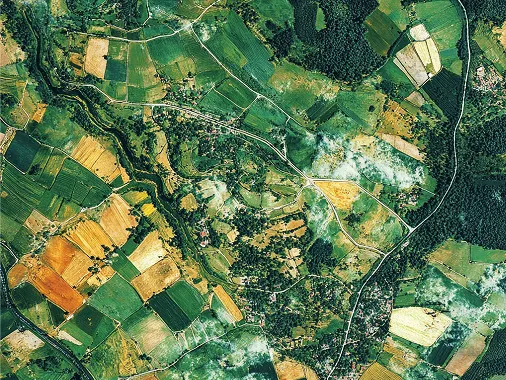
Location:
To identify impact if the operational sites owned and managed in are locate near the Protected Areas using "Satellite maps (ArcGIS)."
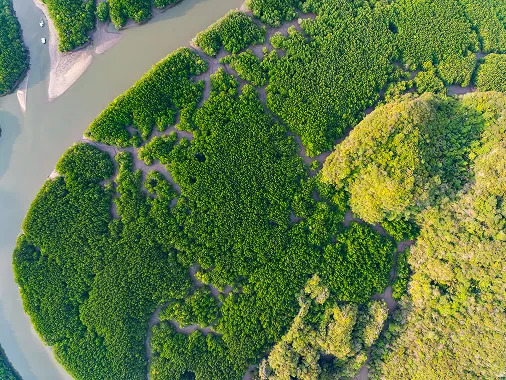
Dependency:
To assess the significance of the business’s dependence on biodiversity using data obtained from the "ENCORE" tool.
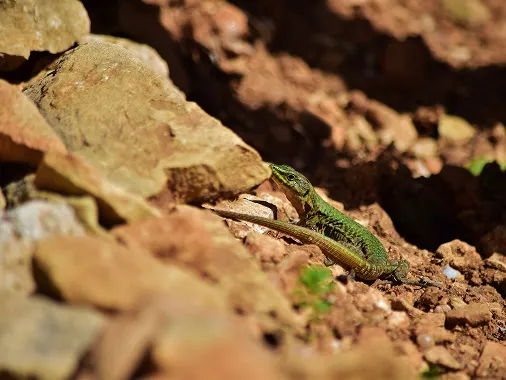
Impact Pollutions:
To assess the environmental impacts arising from business operations using data obtained from the "ENCORE" tool.
Biodiversity-Related Risks
To evaluate the business"s exposure to physical and reputational risks based on data derived from the "WWF" tool.
3. Mitigation Action
Minimize any impacts according to the Mitigation Hierarchy.
Mitigation
The management plan are relied on the mitigation hierarchy that mention in the Integrating Biodiversity into Natural Capital Assessments framework. The mitigation hierarchy consist of 4 stages compromising a sequence of actions, in order of priority, to anticipate and mitigate impacts on biodiversity.
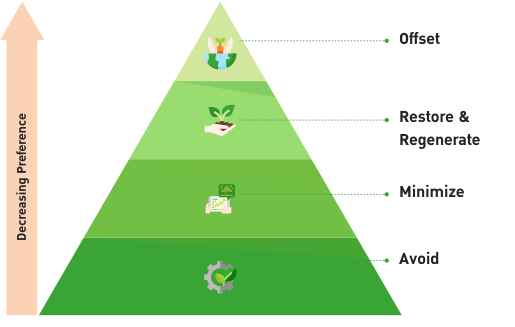
Offset
Impacts in areas not affected by the project, when residual impacts occur on-site.
Restore & Regenerate
Biodiversity that has been impacted at the site level, for example through reforestation or the enhancement of important habitats.
Minimize
Any impacts where they cannot be immediately avoided.
Avoid
Biodiversity impacts during business operations, by first anticipating the potential impacts of a business activity, then putting in place measures to prevent these adverse impacts.
4. Tracking
Minimize any impacts according to the Mitigation Hierarchy.

5. Communication/Reporting
Prepare reports and communications on progress and strategies for stakeholders.


Targets and Performance
Our commitment to creating a sustainable impact is reflected in our ESG goals and performance.
Target

Performance

There is
A comprehensive risk assessment
Assessment Category
Number of Operational Sites
Area Size
Number of Operational Sites
Area Size
Number of Operational Sites
Area Size

Number of Operational Sites
Area Size

in accordance with the mitigation hierarchy approach