

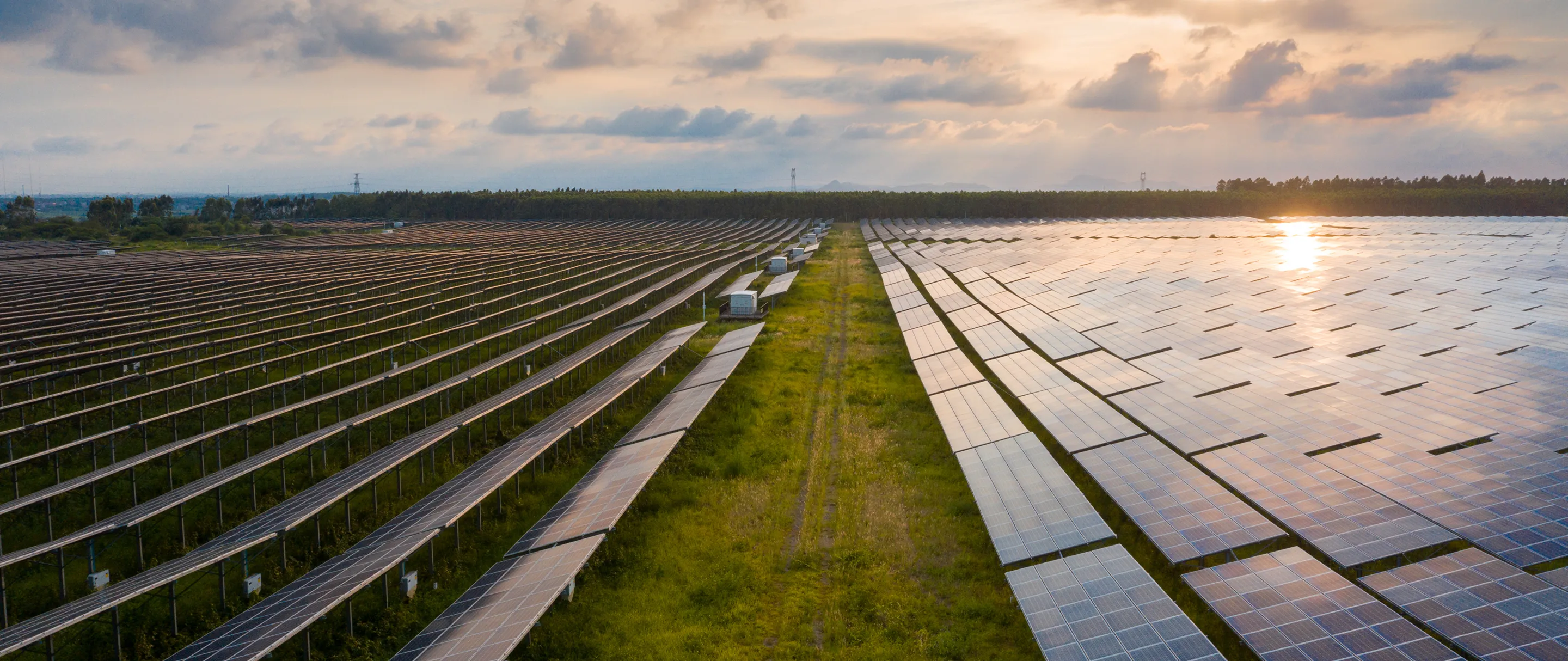
Energy Consumption

Management Approach
The refinery business is an energy-intensive industry utilizing significant energy in production processes, including thermal energy, electricity, and steam. Consequently, efficient energy management is a primary priority that the Company continually strives to optimize within its internal operations.
The Company has achieved ISO 50001 certification, an energy management system subject to external auditing. This process enables the Company to systematically analyze energy consumption data, identify areas of high-energy usage, and uncover opportunities for enhancing energy efficiency. This fosters confidence and transparency in energy management while ensuring annual performance reporting to the Department of Alternative Energy Development and Efficiency (DEDE).
Strategies and Actions
The Company monitors equipment with significant energy use annually and actively seeks advanced technologies for integration into production processes. Furthermore, the Company encourages employees to participate in the Energy Improvement Project, which focuses on reducing energy consumption, enhancing production efficiency, and continuously increasing productivity.
Energy Reduction
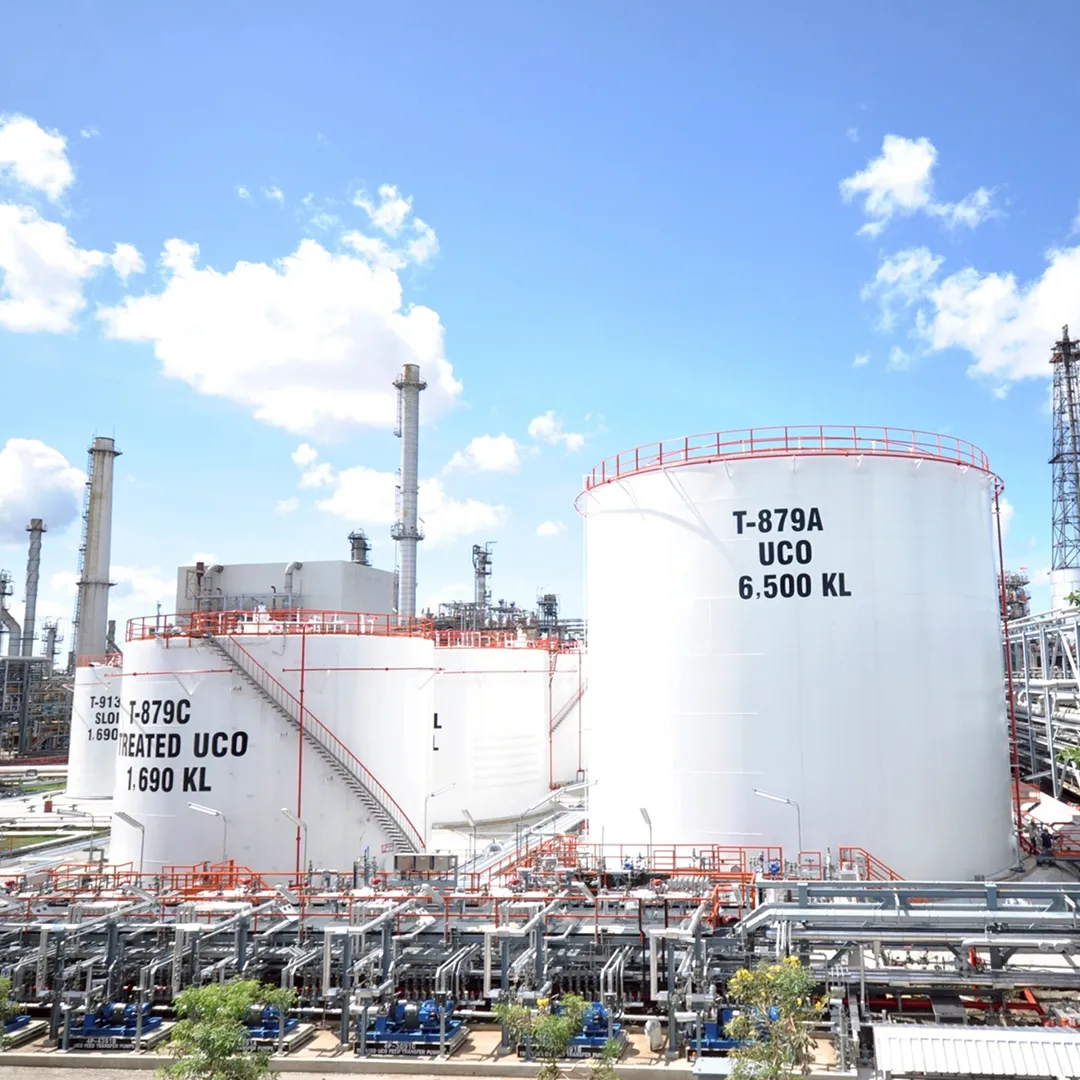
Bangchak Phra Khanong Refinery

Remark : *Calculated from energy reduction projects and production efficiency improvements.
Energy Reduction Projects
- Gas Engine Generator Installation Project: Replacing the steam turbine generator to improve efficiency.
- Natural Gas Reduction Project: Reducing natural gas consumption in the Heat Recovery Steam Generator 1/2.
- Steam Optimization Project: Optimizing high-pressure steam usage at Steam Turbine Generator 3.
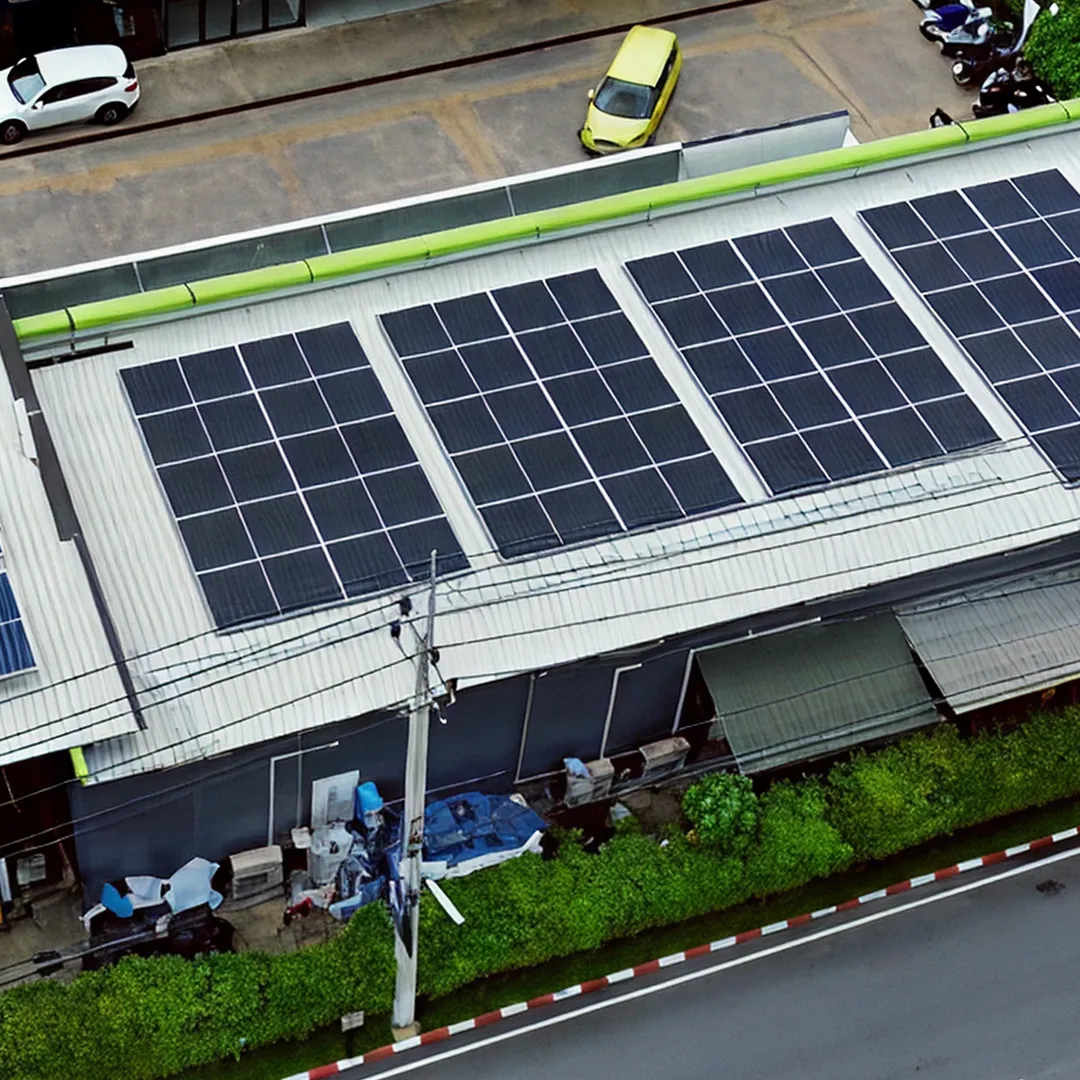
Marketing Business

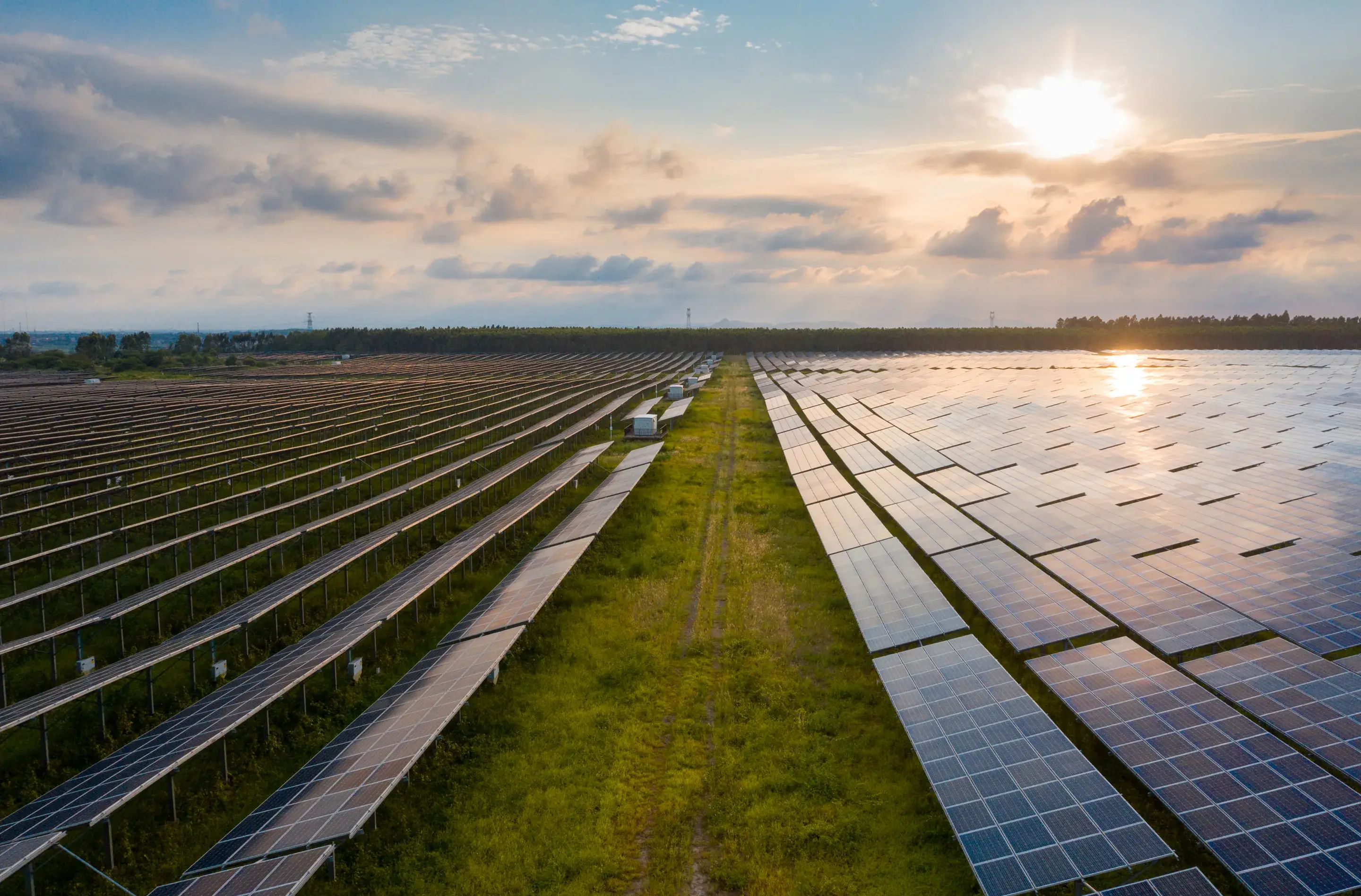
Solar rooftop power generation systems have been installed
The architectural design and functional areas comply with legal regulations while integrating green innovation, such as natural lighting and energy-saving standard equipment, to reflect environmental friendliness. Furthermore, Bangchak Green Net Company Limited collaborates with BCPG Public Company Limited to develop the solar rooftop installation project at Bangchak service stations, aiming to increase the proportion of renewable energy usage.
For Inthanin Coffee Shop, air conditioning systems have been transitioned to solar-powered systems across a cumulative total of 49 branches, effectively reducing electricity costs and continuously lowering carbon dioxide emissions.
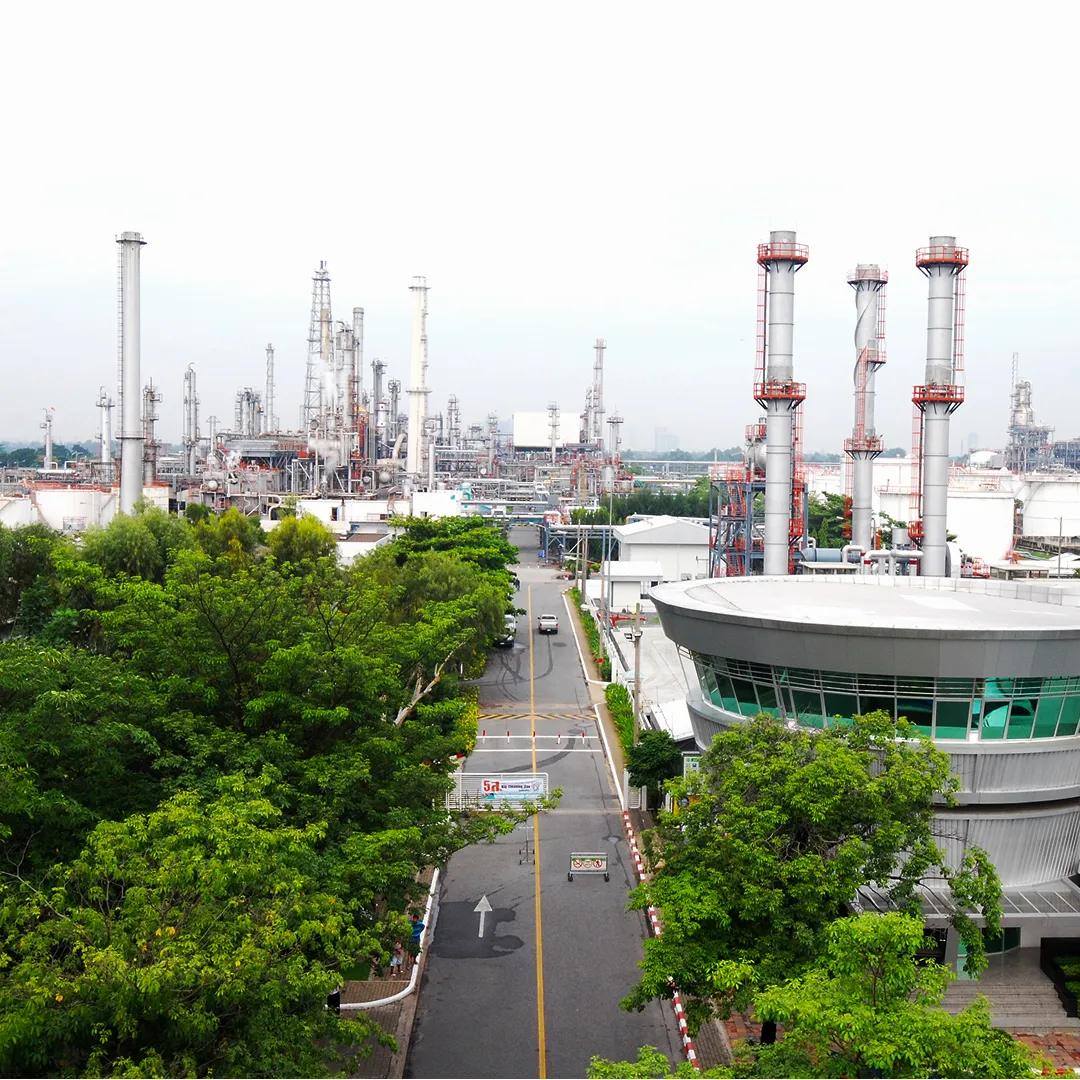
Office Buildings and Business Centers

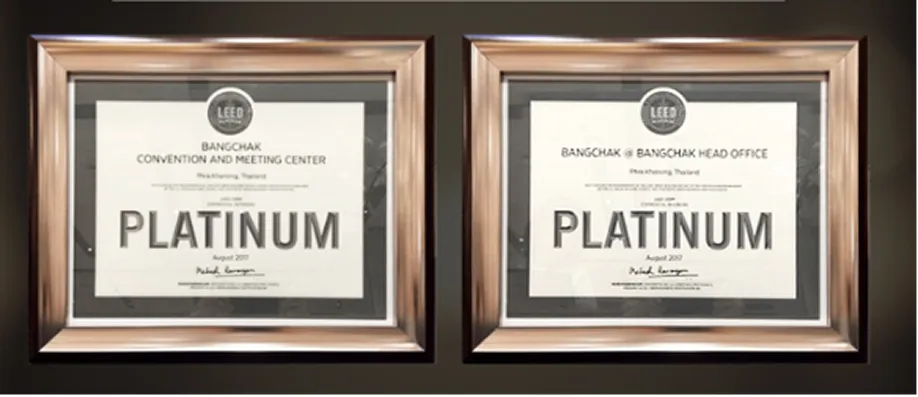
Office buildings and business centers primarily consume electricity and fuel. Measures have been implemented to enhance energy efficiency and reduce greenhouse gas emissions. Bangchak's head office building has been awarded LEED Platinum certification, ranking as the first in Thailand to receive certification under LEED for Commercial Interior (CI) 2009 for the largest commercial interior space in the country. The office building is decorated in an environmental-friendly architectural design and constructed by considering saving energy and water, air quality control, reducing carbon dioxide emissions, and efficient use of resources. With this concept, this building can improve the quality of residential lives, building users, and the environment inside the building.
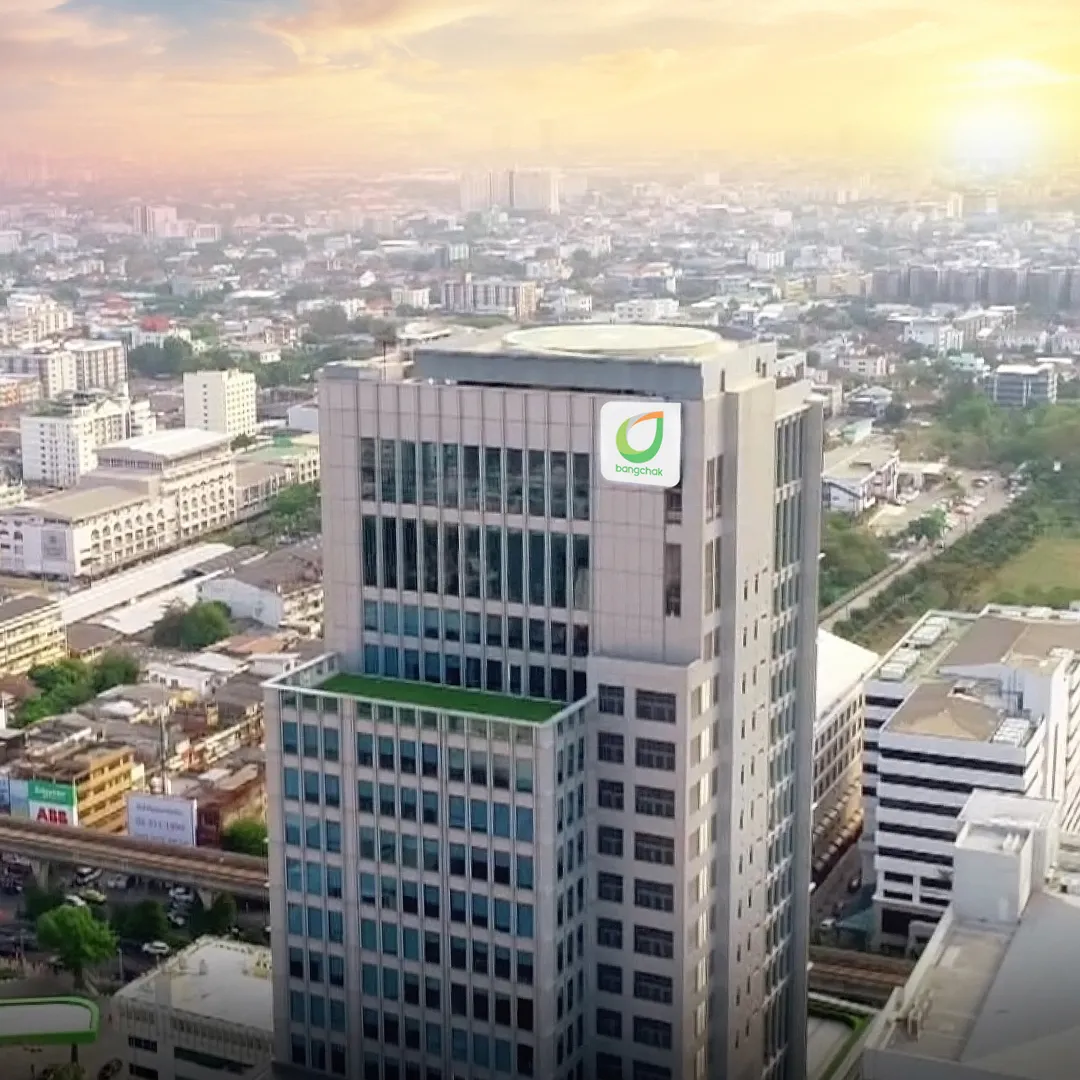
Green Building
Leadership in Energy and Environmental Design : LEED Leadership in Energy and Environmental Design (LEED) is a green building standard that addresses energy use, environmental issues, and occupant quality of life. The U.S. Green Building Council (USGBC) created it to evaluate the performance of buildings in building design, construction, and use.
Criteria
LEED Commercial Interior (CI) 2009 Certification


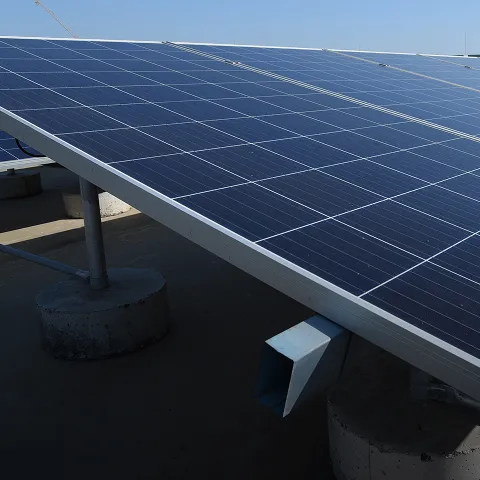

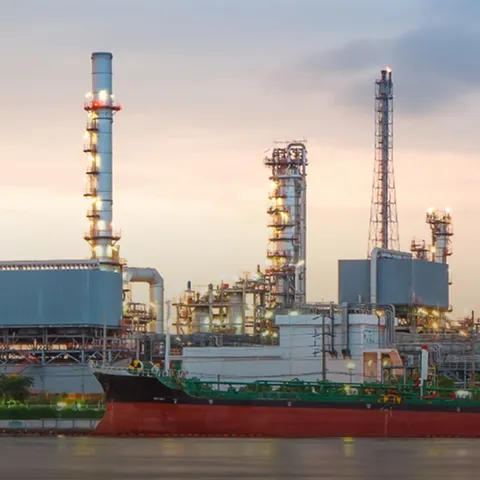

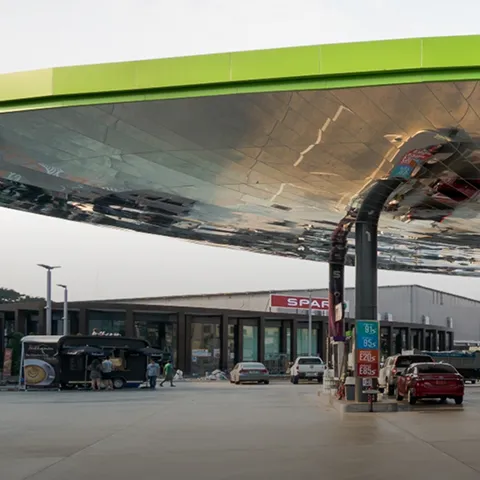
Bangchak has been accredited for LEED Platinum for two certificates. One for Bangchak Convention and Meeting Center on the 8th and 10th floor and another one for Bangchak @Bangchak Head Office accounted for 10,676 m2 of usable space.
Targets and Performance
Our commitment to creating a sustainable impact is reflected in our ESG goals and performance.
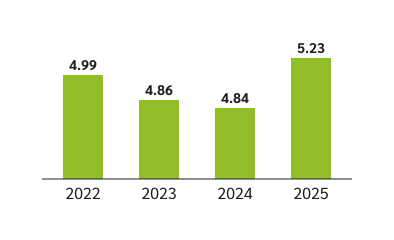
Targets

Energy Consumption in the Production Unit 2025
Performance

Energy Consumption in the Production Unit 2025
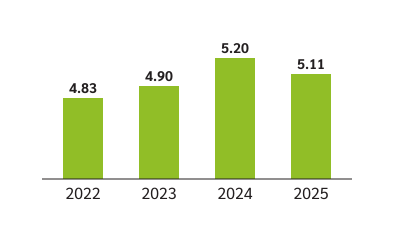
* Turnaround Maintenance