


Oil Spill Management and Prevention
Supporting the SDGs Goals


Management Approach
The Company recognizes that the prevention and management of raw material and product spills in the petroleum industry represent significant risks with potentially severe impacts on the organization and its stakeholders across economic, social, and environmental dimensions.
These impacts include losses of raw materials and products, effects on the health and safety of employees and communities, and damage to the environment and ecosystems. Accordingly, the Company is committed to minimizing risks and preventing spill incidents, as well as establishing effective emergency response measures to address spill events comprehensively across its entire value chain—from crude oil transportation and refining to the distribution and storage of petroleum products at oil depots and service stations.
Strategies and Actions

Risk assessments are conducted from the design stage through operational use, including equipment and structural inspection processes, and extending to emergency response procedures.
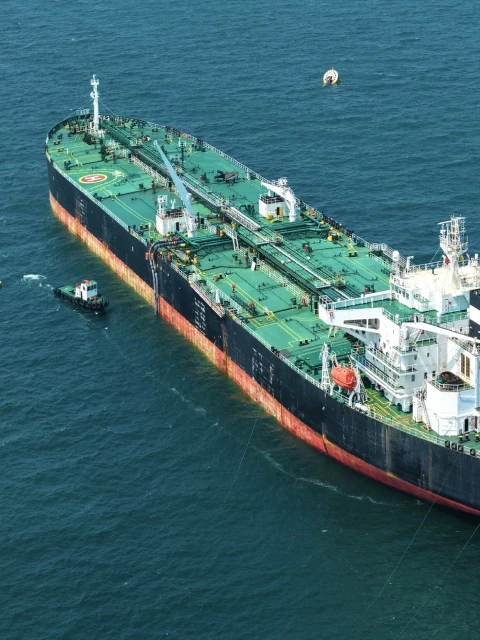
Procuring oil tankers equipped with inspection and evaluation systems that meet industry standards.
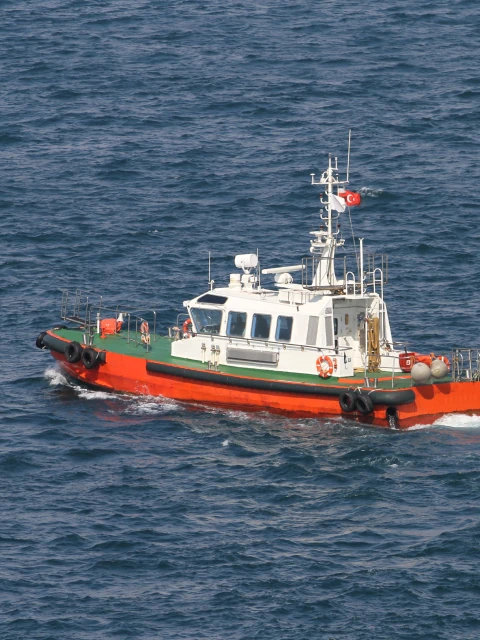
Establishing water transport safety measures by using tugboats to maneuver vessels in and out of ports, securing vessels with standard mooring ropes before oil transfer, surrounding vessels with floating booms to contain any potential oil spills, connecting the hose to the vessel and continuously monitoring during oil pumping operations.
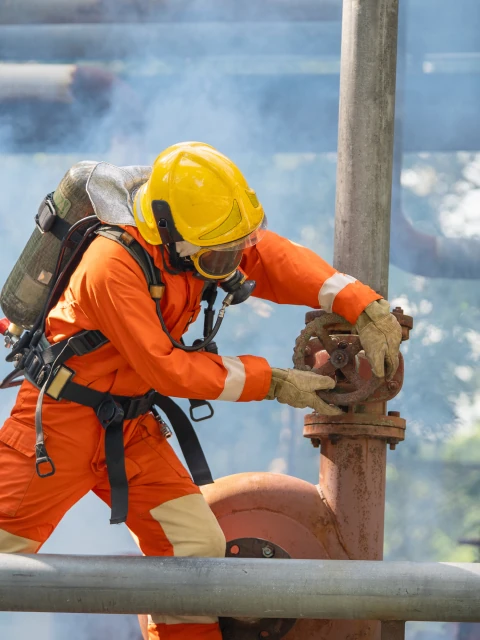
Developing and annually practicing oil spill prevention and response plans.
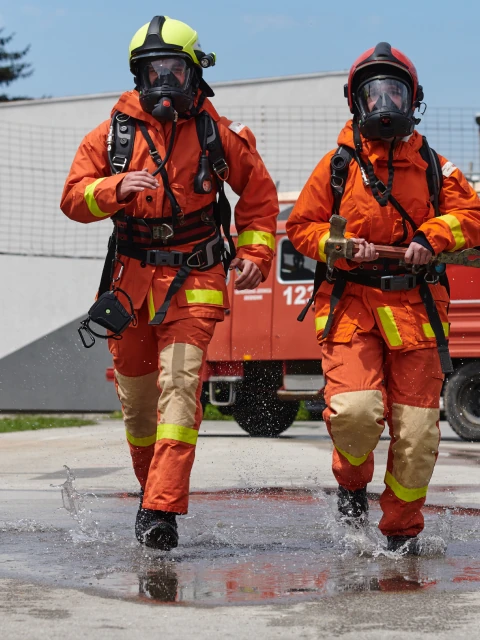
Owning and providing training on the use of oil spill cleanup equipment, with opportunities for community observation.
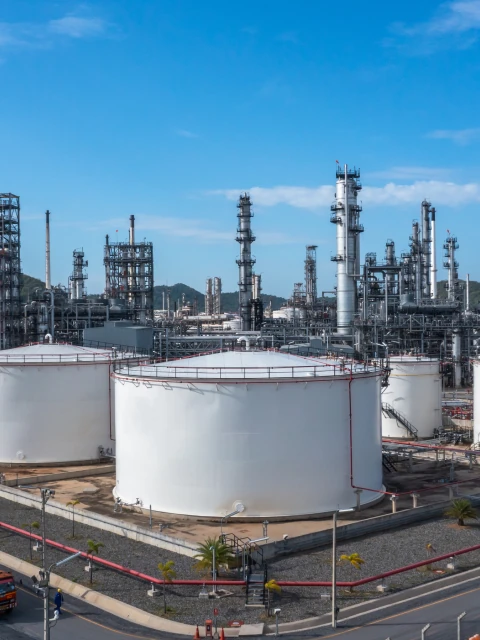
Continuously enhancing the capabilities of personnel through training and workshops with government agencies and industry partners.

Continuously developing and enhancing safety technologies for equipment, systems, and operational tools in alignment with the standards of the Oil Companies International Marine Forum (OCIMF), with preventive measures and monitoring systems in place to ensure effective surveillance of emergency situations during operations. Clear operational procedures, regular training programs for relevant personnel, and a structured preventive maintenance (PM) system with appropriate inspection intervals are implemented to ensure operational integrity and safety.
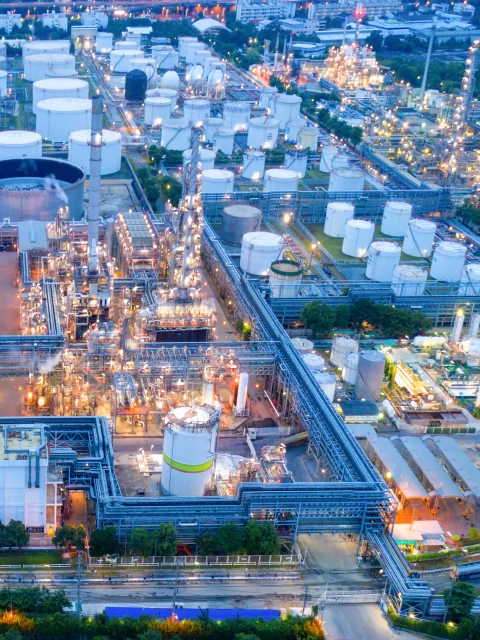
Identifying and assessing potential leak points for loss of primary containment (LOPC) in each area, implementing control measures, and continuously monitoring their effectiveness. Conducting safety inspections in production processes and proposing preventive measures to avoid recurrence.
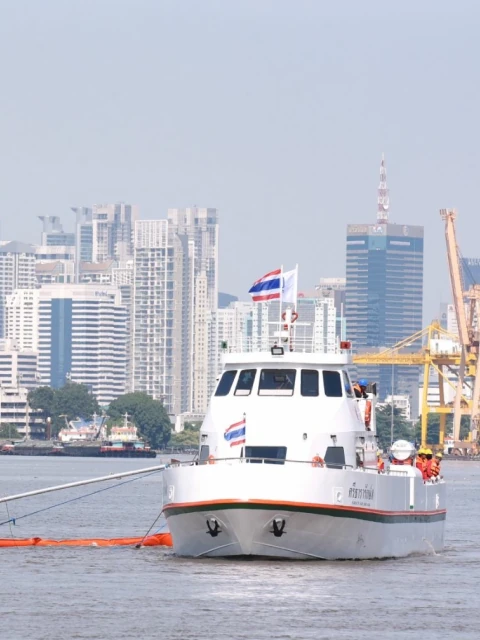
Stationing the oil spill response vessel “Sritara Rak 8” at the Bangchak Phra Khanong Refinery, capable of collecting 10,000 liters of oil, equipped with fire suppression systems, and Oil Industry Environmental Safety Group Association (IESG) in oil spill responses and other emergencies as requested.

Providing EMS Hazmat (chemical incident management and emergency medical system) training in collaboration with Thailand Rescue for external participants, including EMS1669, medical personnel, rescue teams, and ERT teams in interested industries for the training.

Targets and Performance
Our commitment to creating a sustainable impact is reflected in our ESG goals and performance.
Target

Performance

Amount of oil and chemical spills exceeding 100 barrels per time (Barrels)

Total amount of oil and chemical spills exceeding 1 barrel per time (Barrels)
Remark: Covering the performance of the Bangchak Phra Khanong Refinery, and the Bang Pa-In Oil Depot.