

Climate Change Management
Materiality Topics
Climate Change




Floods, droughts, and rising sea levels adversely affect production and transportation, increase raw material costs, reduce revenue, and lead to higher maintenance and insurance expenses.
Carbon policies, carbon taxes, and reporting requirements have increased the costs of emission reduction technologies and data verification.
The development of low carbon technologies and products creates opportunities for new business expansion.

- Upstream
- Downstream
- Operations

Management Approach
The Company recognizes that climate change remains a critical factor with a direct impact on the long-term sustainability of the oil refining business, an energy-intensive industry.
In 2025, this challenge is particularly pronounced as the global energy sector accelerates its transition toward clean energy, alongside the increasing enforcement of more stringent carbon-related regulations. These include the (Draft) Climate Change Act B.E…. , the Carbon Border Adjustment Mechanism (CBAM) of the European Union and emissions trading systems (ETS). In response, the Company places strong emphasis on greenhouse gas management through enhanced energy efficiency, as well as increasing the share of alternative energy used in production processes. These efforts support the Company’s commitment to achieving Net Zero Greenhouse Gas emissions by 2050, in line with the BCP NET strategic framework.
Strategies and Actions
The Company has reviewed its climate change objectives and expresses its commitment to actively contribute to the achievement of Net Zero Greenhouse Gas emissions by 2050, establishing this ambition as a core long-term strategic goal of the organization.

B : Breakthrough Performance
The Company places strong emphasis on the continuous enhancement of production capabilities, alongside improving energy efficiency and reducing water consumption in refinery operations. In addition, clean energy initiatives have been expanded to the service station level through the installation of solar power generation systems at fuel service stations across Bangkok and its metropolitan area. The Company has also integrated Life Cycle Assessment (LCA) principles into the planning and development of various projects. At the same time, marketing business units and corporate offices actively contribute to the reduction of greenhouse gas emissions under Scopes 1 and 2, with clear performance indicators established and continuously monitored across each business unit.

C: Conserving Nature and Society
The Company undertakes the development of natural carbon dioxide absorption and sequestration projects through collaboration with public sector, private sector, and community partners. These efforts focus on the study and implementation of initiatives to restore critical ecosystems, while simultaneously engaging with organizations and networks dedicated specifically to climate change. Such collaboration facilitates knowledge exchange and contributes to the enhancement of standards for natural resource conservation practices at both national and regional levels.

P: Proactive Business Growth and Transition
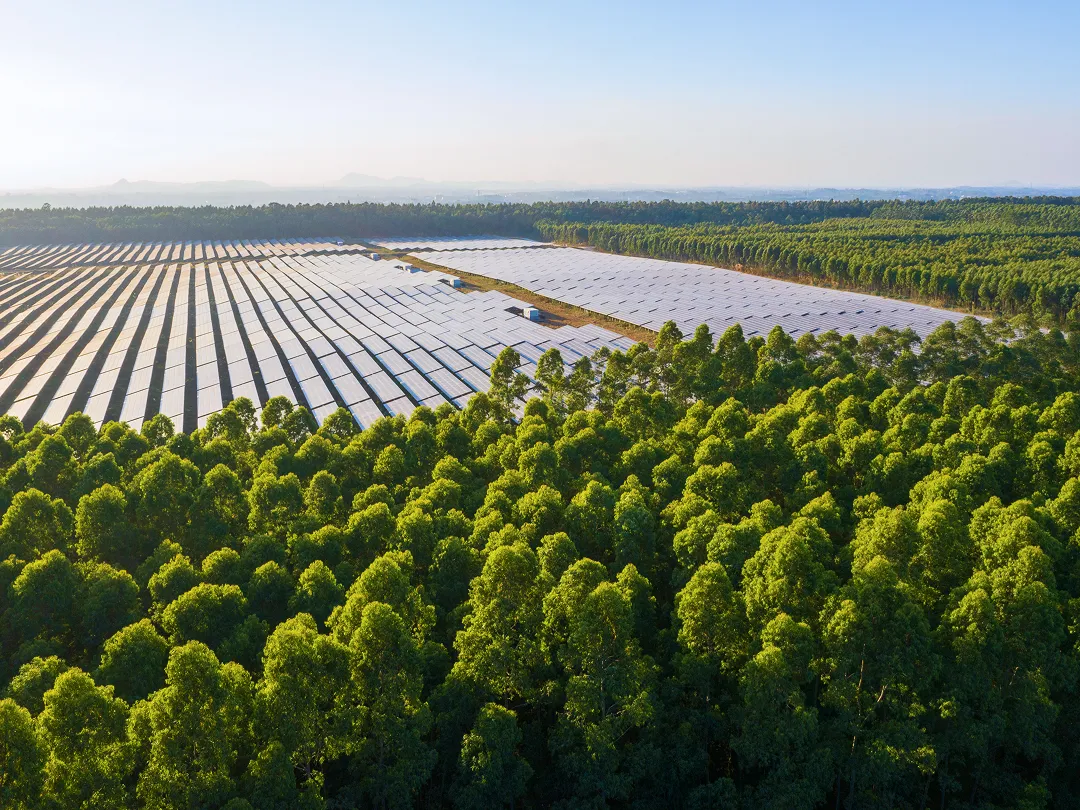
The Company drives business growth alongside energy transition, focusing on investment and development of new businesses that reduce greenhouse gas emissions and strengthen long-term competitiveness, under the overarching goal of advancing clean energy and energy innovation of the Bangchak Group.
NET : Net Zero Ecosystem
It serves as a key mechanism for linking the Company’s mission with partners across all sectors, strengthening knowledge and understanding, and enhancing preparedness for climate-related policy and regulatory changes among both internal and external stakeholders. At the same time, it supports national climate change mitigation efforts through participation as board members, working group members, and subject-matter experts, contributing views and policy recommendations on public-sector climate policy and regulatory frameworks within leading domestic collaboration platforms and networks.
Targets and Performance
Our commitment to creating a sustainable impact is reflected in our ESG goals and performance.
Targets

Target GHG emissions (Scope 1 and 2)
Performance

Total Scope 1 & 2 GHG emissions
- Scope 1 GHG emissions 907,297.18 tCO2e
- Scope 2 GHG emissions 6,232.21 tCO2e
- Scope 3 GHG emissions 6,919,360.81 tCO2e

Total greenhouse gas emission reduced by

The Company’s eco-efficiency amounted to
Thousand baht / tCO2e
Remark: EBITDA and greenhouse gas emissions data cover Scope 1 and Scope 2 emissions of Bangchak Corporation Public Company Limited.
Eco-Friendly Transportation
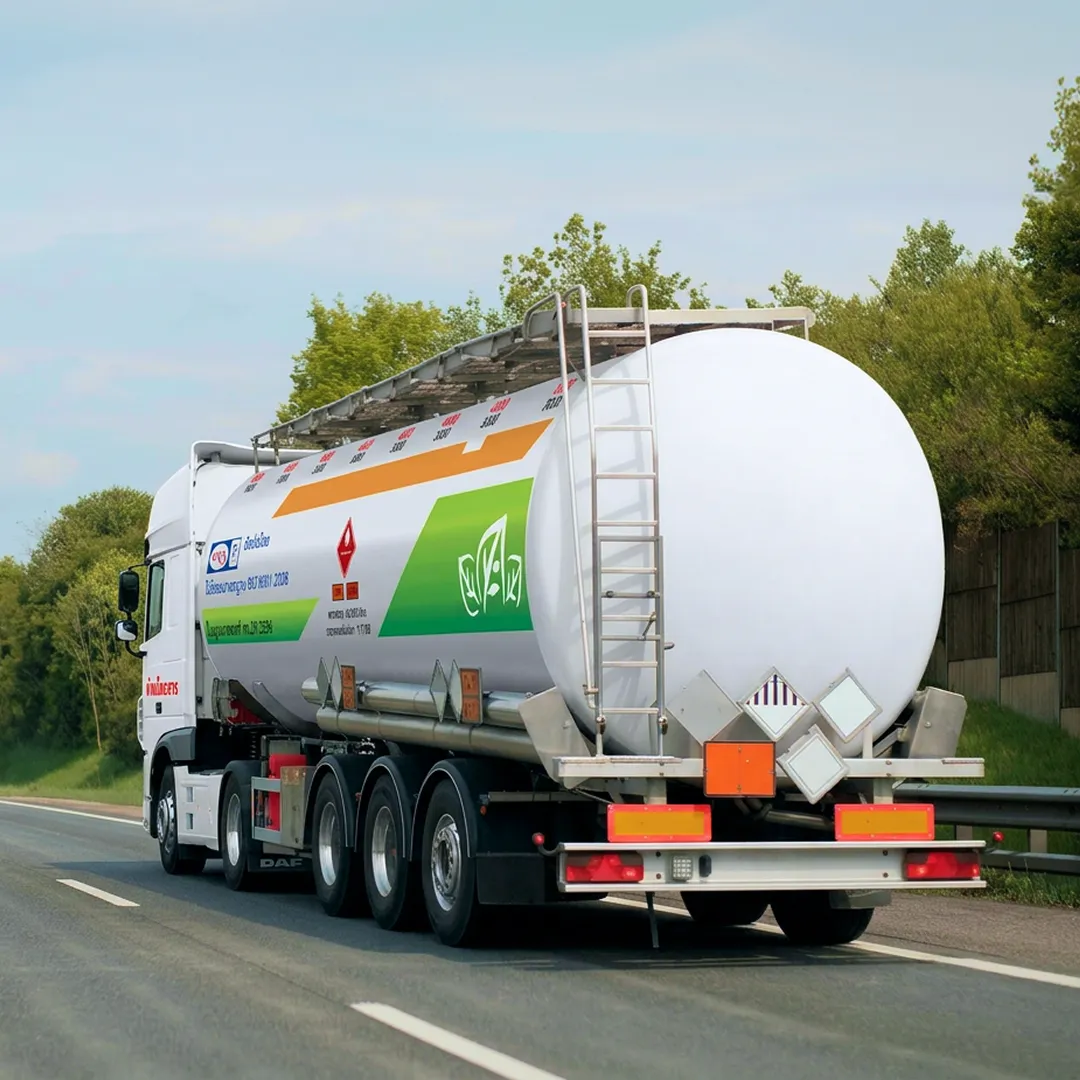
Project to Increase Proportion of Oil Transportation by Semi-Trailer
The company manages transportation vehicles by changing from 2 single trucks to a semi-trailer. This change helps reduce not only the cost of transportation but also the GHG emissions per unit of oil.