

Sustainable Supply Chain Management
Supporting the SDGs Goals


Management Approach
The Company is committed to driving sustainable supply chain management by systematically integrating Environmental, Social, and Governance (ESG) dimensions into the procurement process. This ranges from policy formulation, supplier selection, and development, to performance monitoring at the group level. This is achieved through the One Procurement strategy and Shared Service procurement covering indirect goods and services for companies under Bangchak Group. This operates alongside governance under the Bangchak Group Way of Conduct and Procurement Way of Conduct to establish transparent, fair, and consistent operational standards across the Group. The Company elevates management by adopting digital systems, increasing ESG criteria in supplier evaluation, and promoting collaboration with suppliers through engagement and sustainability recognition. Furthermore, the Synergy Project is implemented to increase efficiency, reduce costs, and strengthen the supply chain to support the long-term sustainable growth of the Group.
Strategies and Actions
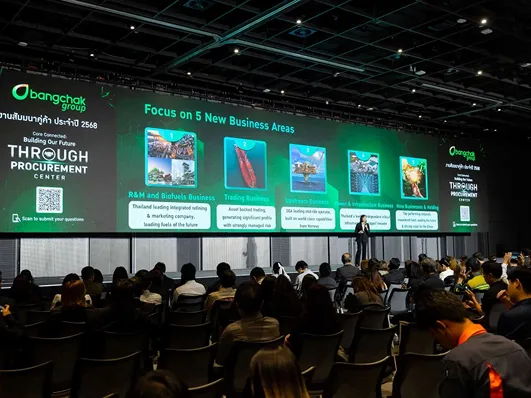
One Procurement
Utilizing centralized procurement (Shared Service) to define unified procurement policies, processes, and standards across the Group, integrating sustainability issues, increasing bargaining power, reducing process redundancy, and enhancing transparency.
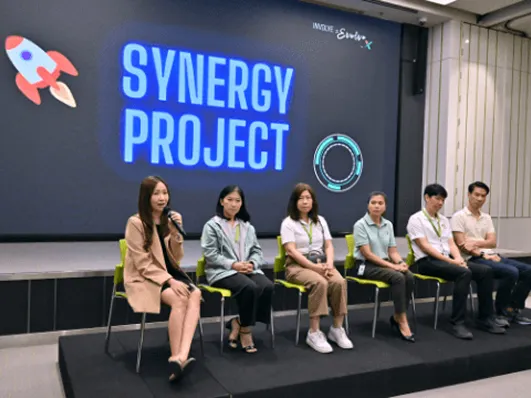
Implemented Synergy Projects
To deliver tangible OPEX reductions, generating actual cost savings of THB 65 million.
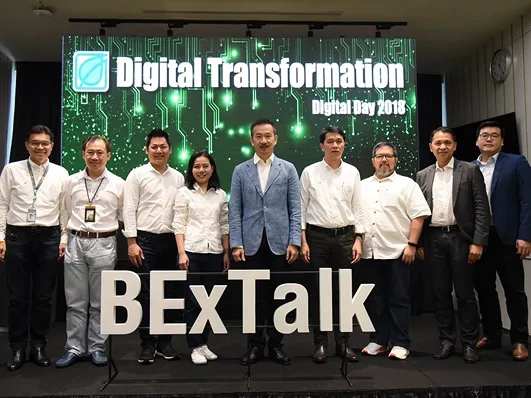
Digital Procurement Enablement
Enhancing procurement capabilities through the adoption of a digital system, utilizing a Software as a Service (SaaS)–based sourcing platform known as COUPA, to improve convenience, efficiency, transparency, and traceability.

Supplier Capability Development
Supplier development for a sustainable supply chain, promoting continuous compliance with the BCP Supplier Code of Conduct : SCOC, in order to enhance environmental, social, and governance (ESG) standards throughout the supply chain.
Supplier Segmentation for Risk Management
Significant Supplier

- Critical Supplier
- Critical Supplier & Critical and High Potential ESG Risk supplier
- Critical and High Potential ESG Risk Supplier
The Process of Sustainable Supply Chain Management
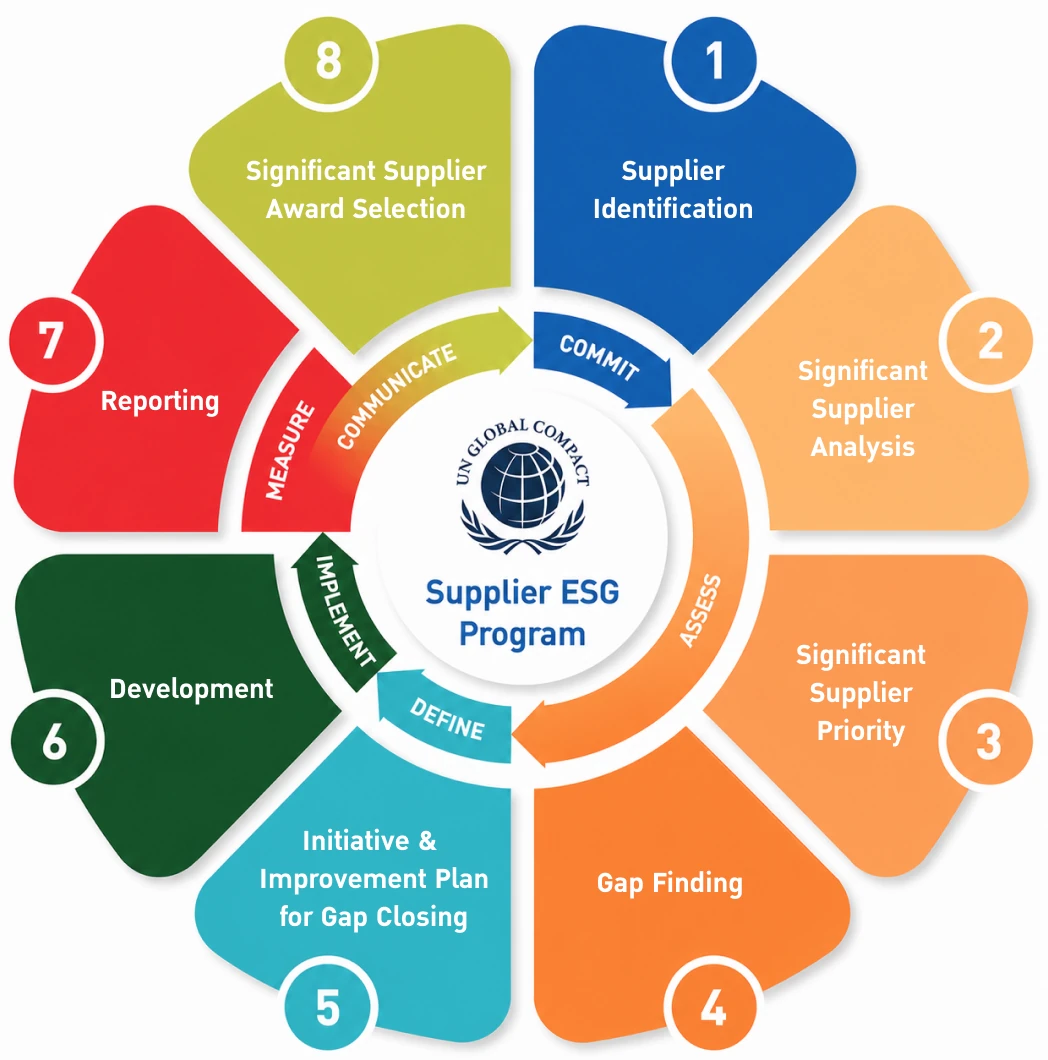
Supplier Identification
1. Critical Supplier Assessment:
- High spending supplier (classified by supplier groups)
- Suppliers of critical raw material, products, and services
- Suppliers that cannot be easily replaced as there are few in the market
2. High Potential Sustainability (ESG) Risk Supplier Assessment
- Environmental Risk
- Social Risk
- Business/Governance Risk
Significant Supplier Analysis
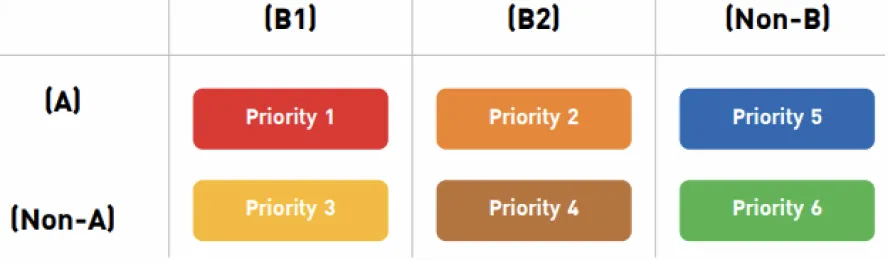
Significant Supplier
- Significant Supplier – Critical Supplier; A
- Significant Supplier – Critical and High Potential Sustainability (ESG) Risk Supplier Assessment
- Critical Supplier Risk Level; B1
- High Risk Level; B2
- Critical Supplier & Critical and High Potential Sustainability (ESG) Risk Supplier
Gap Finding
Supplier Assessment via Desk & On-site methods:
- Supplier Code of Conduct (SCOC) Online – Self Assessment:
- Business Ethics
- Labor Practice and Human Rights
- Safety and Occupational Health
- Environment
- Social Development Participation
- Sustainability (ESG) Gaps:
- Environmental Gaps
- Social Gaps
- Business/Governance Gaps
Initiative & Improvement Plan for Gap Closing
- Site visit / Audit
- Meeting agendas about Gap Closing with significant supplier
- Corrective Action Plan or Preventive Plan with supplier
Development
- Monitor Gaps
- Improvement for suppliers
- Facilitate mutual understanding and propose the integration of ESG principles into the supplier’s business operations
Reporting
- Report to executives and make information public to all stakeholders
- Communicate expectations on sustainable supply chain management and explore opportunities in improving potential, competition, and create and expand relationships with all stakeholders in the supply chain
Significant Supplier Award Selection
- Suppliers with better ESG performance are preferred by applying a minimum weight to ESG criteria in supplier selection and contract awarding
- Suppliers are excluded from contracting if they cannot achieve minimum ESG requirements within a set timeframe
Supplier Code of Conduct for Sustainable Business Development
Bangchak has set up Bangchak’s Supplier Code of Conduct (SCOC) for Sustainable Business Development focusing on environmental, social and governance (ESG) which has 5 categories as the following:
Business Ethics
Labor Practice and Human Rights
Safety and Occupational Health
Environment
Participation in Community Development
Supplier Sustainability Risk Assessment
Risk Level = Impact × Likelihood
(Environment Risk, Social Risk & Business/Governance Risk)
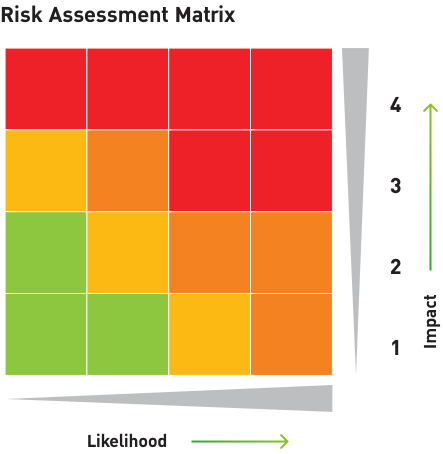
Risk Level Assessment
* No Risk (Impact = 0)
Risk Level
Critical and High Risk
Mitigation Method
Site Visit/ Audit/ Corrective Action Plan/ Performance Improvement/ etc.
The Company conducts a systematic ESG risk assessment of suppliers, covering sustainability-related risks and integrating the results into the Enterprise Risk Management (ERM) framework. The assessment encompasses both Tier-1 suppliers and non–Tier-1 suppliers , covering 3 key dimensions. The evaluation considers the severity of potential impacts across environmental, social, economic, and governance aspects, as well as the likelihood of such risks occurring.
Negative Impacts Occurring from Suppliers’ Business Operations

Environmental
Greenhouse gas emissions, energy consumption, water use, resource use, pollution emissions, waste generation, and biodiversity loss.

Social
Non-compliance with laws and regulations resulting in harm or damage to life and property, as well as complaints arising from non-compliance with human rights and labor practices, such as child labor, forced labor, discrimination, and the lack of freedom of association and collective bargaining.

Economic and Governance
Corruption, bribery, conflicts of interest, unfair competition, unfair pricing, substandard products or poor service quality, delays in the delivery of goods and services, and non-compliance with procurement contracts.

Targets and Performance
Our commitment to creating a sustainable impact is reflected in our ESG goals and performance.
Performance